Plant Power: The Blood Sugar-Friendly Foods I Recommend to Every Patient
By Whitney Stuart, MS, RDN/LD, CDCES | Whitness Nutrition
Let me be direct: plants aren’t just side dishes. They’re metabolic powerhouses that stabilize blood sugar, feed your gut, and keep you full — and I talk about them with my patients constantly. If you’ve been waiting for a sign to eat more of them, this is it.
Here are my clinical favorites, why they work, and exactly how to use them.
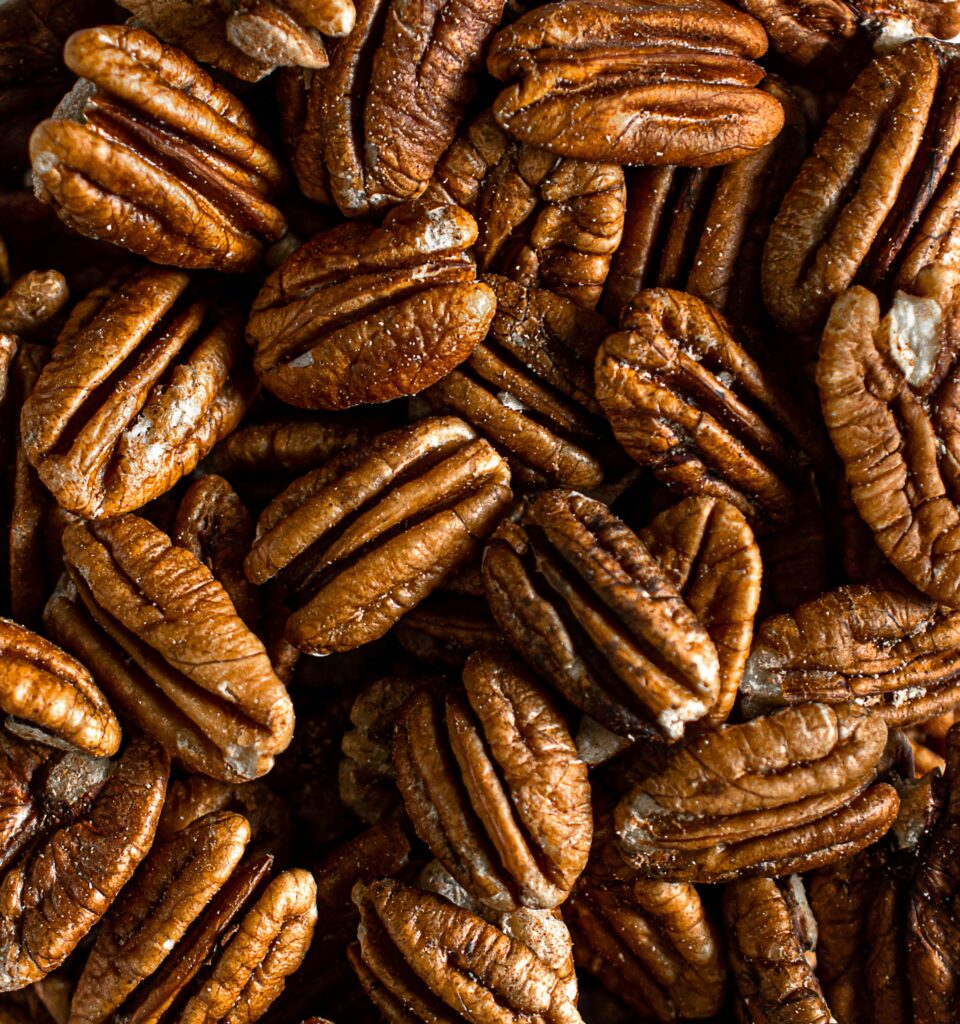
Pecans: The Snack Your Heart Actually Wants
Pecans are one of those foods I genuinely get excited about because the nutritional case for them is so strong — and they taste incredible on their own. A small handful makes a legitimately satisfying snack with zero prep required.
Here’s why they earn a permanent spot in your pantry:
- Monounsaturated fats and plant sterols — both clinically linked to lower LDL cholesterol and better heart health
- Rich in polyphenols that fight inflammation at the cellular level
- One of the highest antioxidant-containing nuts, delivering vitamin E that protects cells from oxidative damage
And if you’re working on reducing saturated fat intake — which most of my patients are — this is where plant milks become a powerful swap. I’ve been loving PECANA pecan milk lately. Unlike many plant milks that spike blood sugar due to added sugars or rice-based formulas, Pecana is low-glycemic, creamy from unsaturated fats, and shelf-stable. Less waste, better for your budget and your heart. Find it at Walmart or HEB.
Notable Nuts and Seeds Worth Adding to Your Rotation
Almonds are one of the most researched nuts for cardiovascular and metabolic health. Regular consumption has been shown to reduce LDL cholesterol and fasting insulin levels significantly. One ounce delivers 6g protein and 4g fiber — that’s a snack that actually moves the needle.
Edamame is my current favorite snack and, honestly, one of the most underrated foods in the grocery store. It’s one of the only plant foods that qualify as a complete protein — meaning all nine essential amino acids. Per cup: 13g protein and 8g fiber. That combo stabilizes blood sugar, feeds your gut, and keeps you full. All three. One snack.
Flaxseed deserves more credit than it gets. Regular consumption is associated with meaningful reductions in both systolic and diastolic blood pressure, and the soluble fiber forms a gel in the gut that slows carbohydrate absorption — meaning more stable glucose and less spiking after meals. Add it to smoothies, oatmeal, or baked goods.
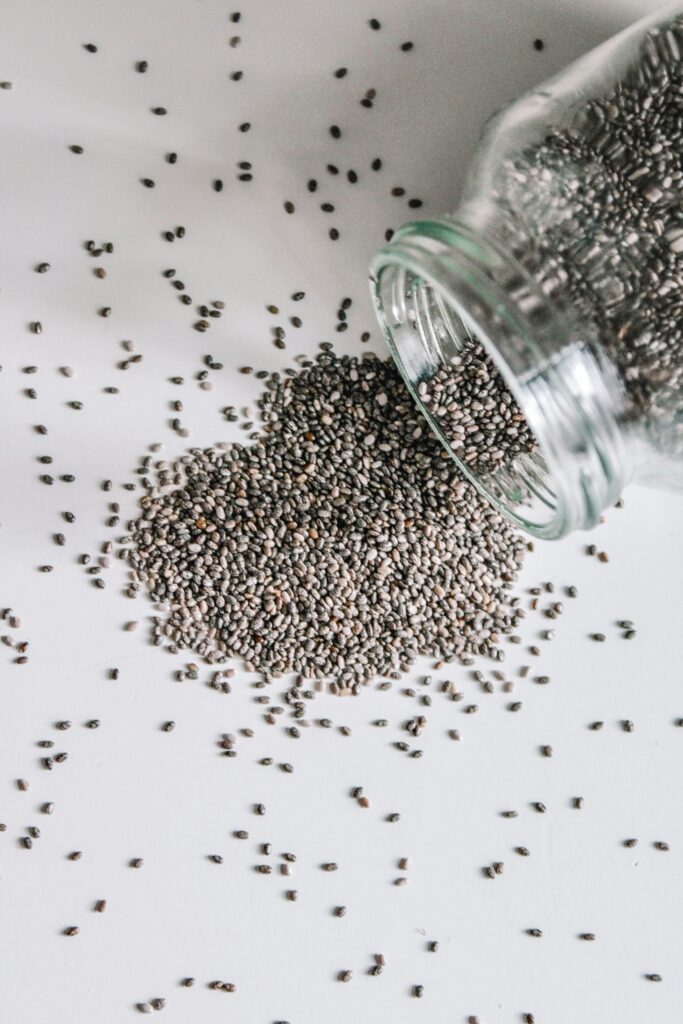
Chia Seeds: Nature’s Blood Sugar Buffer
Two tablespoons. That’s all it takes to get approximately 10g of fiber and 5g of protein — a combination that slows glucose absorption and keeps hunger at bay for hours. Chia seeds absorb up to 10x their weight in water, forming a gel that physically slows digestion. Add their omega-3 fatty acid (ALA) content for inflammation support, and you’ve got a tiny seed doing massive metabolic work.
The fiber and fat slow everything down, so you’re not spiking and crashing an hour later. That’s the goal.
Green Giant 100% Pure Canned Pumpkin: The Most Underrated Pantry Staple
I’ll say it plainly: you are only using this once a year, and that is a mistake.
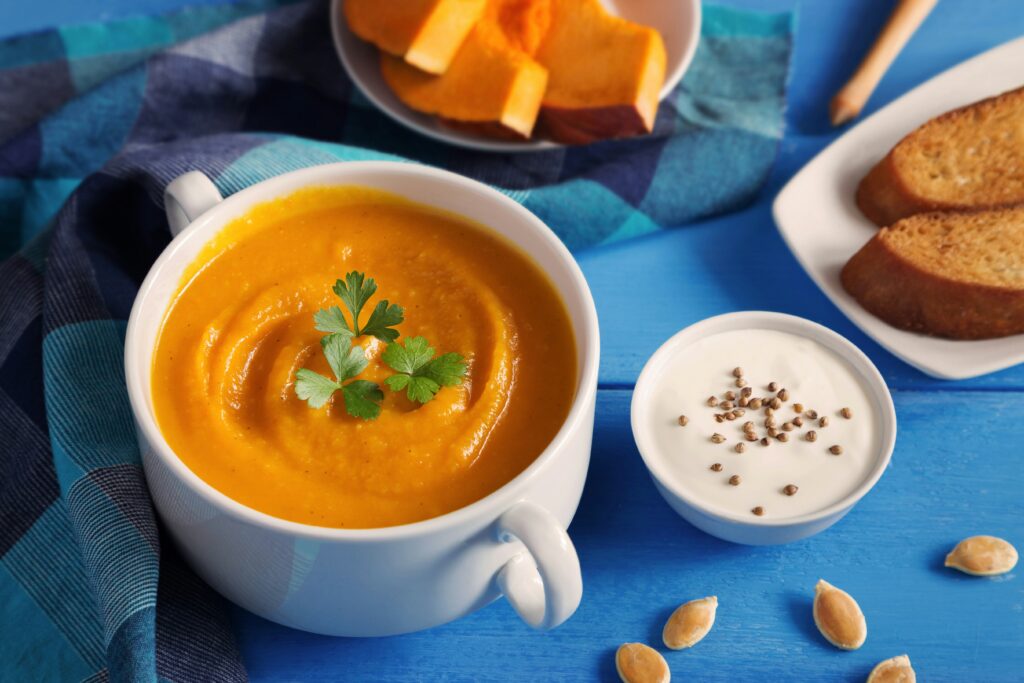
This is not pumpkin pie filling. The only ingredient in the can is pureed pumpkin — no added spices, no sugar. Just pumpkin. A half-cup serving provides 11% of your daily fiber needs, plus beta-carotene, potassium, and vitamin C. It’s in the baking aisle year-round and works beautifully in pasta sauce, curry, chili, protein pancakes, and smoothies.
Pumpkin is a fiber and antioxidant win hiding in your baking aisle — and it is not just for November.
The Recipes
Protein Pumpkin Pancakes
Makes approximately 6 pancakes
Ingredients:
- 1/2 cup Green Giant 100% Pure Canned Pumpkin
- 2 eggs
- 1 cup oats
- 1/2 cup cottage cheese
- 2 tsp cinnamon
- 2 tsp baking powder
Instructions:
- Mix all ingredients together until smooth. The batter will be thick.
- Heat a nonstick skillet over medium-low heat and lightly coat with avocado oil spray.
- Pour approximately 1/4 cup batter per pancake. Cook for 2-3 minutes, until bubbles form and the edges look set, then flip and cook for 1-2 minutes more.
- Top with Greek yogurt, almond butter, or fresh berries.
Per serving (2 pancakes): ~280 cal | 28g protein | 22g carbs | 8g fat
The Viral Oat-Chia Tortilla
Makes 2 tortillas
Ingredients:
- 1 cup rolled oats
- 2 tbsp chia seeds
- 3/4 cup water
- 1/2 tsp- herbs and spices
Instructions:
- Blend oats in a blender or food processor until a fine flour forms.
- Mix oat flour, chia seeds, salt, and water. Let sit 5 minutes — the chia will gel and bind the dough.
- Divide into two balls. Place between two sheets of parchment and roll thin.
- Cook in a dry skillet over medium heat, 2-3 minutes per side, until lightly golden and firm.
- Use immediately or refrigerate up to 3 days.
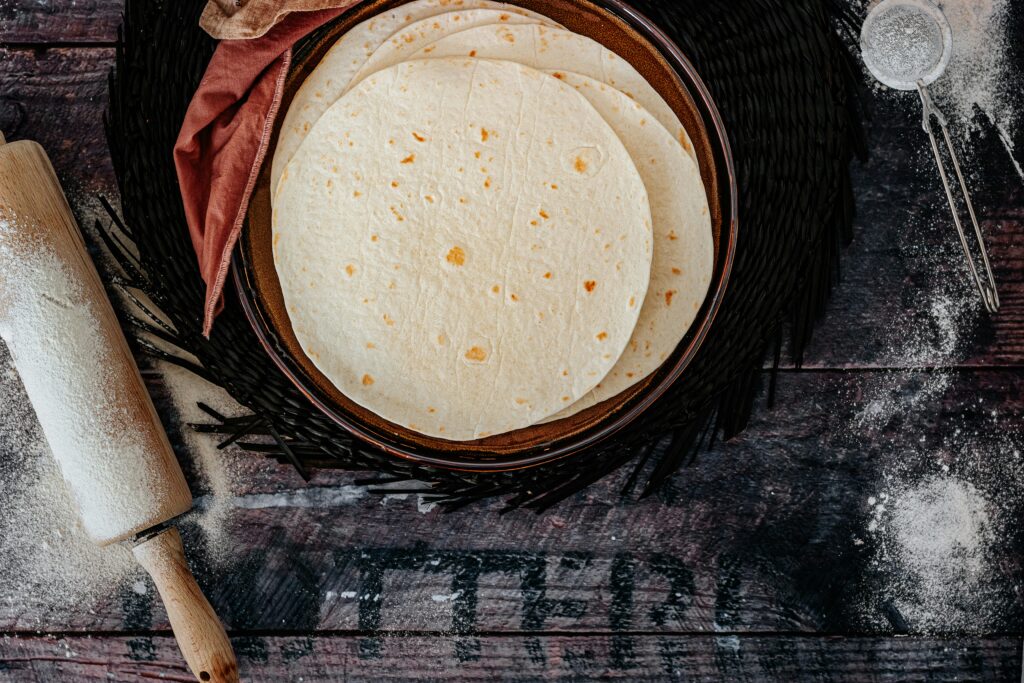
Great for breakfast wraps, quesadillas, or topped with nut butter and banana. The beta-glucan in oats, plus chia’s gel-forming fiber, creates a blood sugar response that’s dramatically more stable than that of a standard flour tortilla.
Easy Chia Seed Pudding with Pumpkin and Pepitas
Serves 2 — prep the night before
Base:
- 1/4 cup chia seeds
- 1 cup Pecana pecan milk (or any unsweetened plant milk)
- 1/2 tsp vanilla extract
- 1 tsp maple syrup or monk fruit sweetener, optional
- 1/2 scoop plant-based protein powder (optional)
Toppings:
- 2 tbsp Green Giant 100% Pure Canned Pumpkin per serving
- 1 tbsp pumpkin seeds (pepitas) per serving
- Pinch of cinnamon
- Optional: drizzle of almond butter, dash of nutmeg
Instructions:
- Whisk chia seeds, pecan milk, vanilla, and sweetener together in a jar or bowl.
- Let sit 5 minutes, stir again to prevent clumping, then cover and refrigerate overnight or at least 4 hours.
- In the morning, stir well. It should be thick and creamy.
- Top with pumpkin puree, pepitas, and cinnamon.
Per serving: ~220 cal | 9g protein | 18g carbs | 12g fat | 11g fiber
You’re getting chia’s fiber-and-fat blood sugar buffer, pumpkin’s additional fiber and beta-carotene, and pepitas for magnesium and plant-based zinc — a mineral most women are chronically low in. This breakfast works with your metabolism, not against it.
Plant Power
Plant consumption does not have to be complicated, expensive, or time-consuming. Pecans, almonds, edamame, flax, chia seeds, and canned pumpkin are all available at every grocery store, budget-friendly, and backed by real research. Your gut and your blood sugar will thank you — and so will your 3 pm energy levels.
Want personalized guidance on building a plate that actually works for your body? Book a discovery call with Whitney →
Whitney Stuart, MS, RDN/LD, CDCES is a Dallas-based registered dietitian and certified diabetes care and education specialist specializing in blood sugar management, metabolic health, and women’s nutrition.