Blood Sugar Balanced Lunches: 4 Easy Plates That Won’t Spike Your Glucose
As seen on Good Morning Texas | Whitney Stuart, MS, RDN/LD, CDCES | whitnessnutrition.com
If you’ve ever experienced that 2 p.m. slump—feeling mentally foggy, low on energy, and craving something sweet—it’s likely because your lunch caused a spike in your blood sugar. The good news is that you don’t need a nutrition degree or a complicated meal plan to fix this issue. All you need is a simple framework.
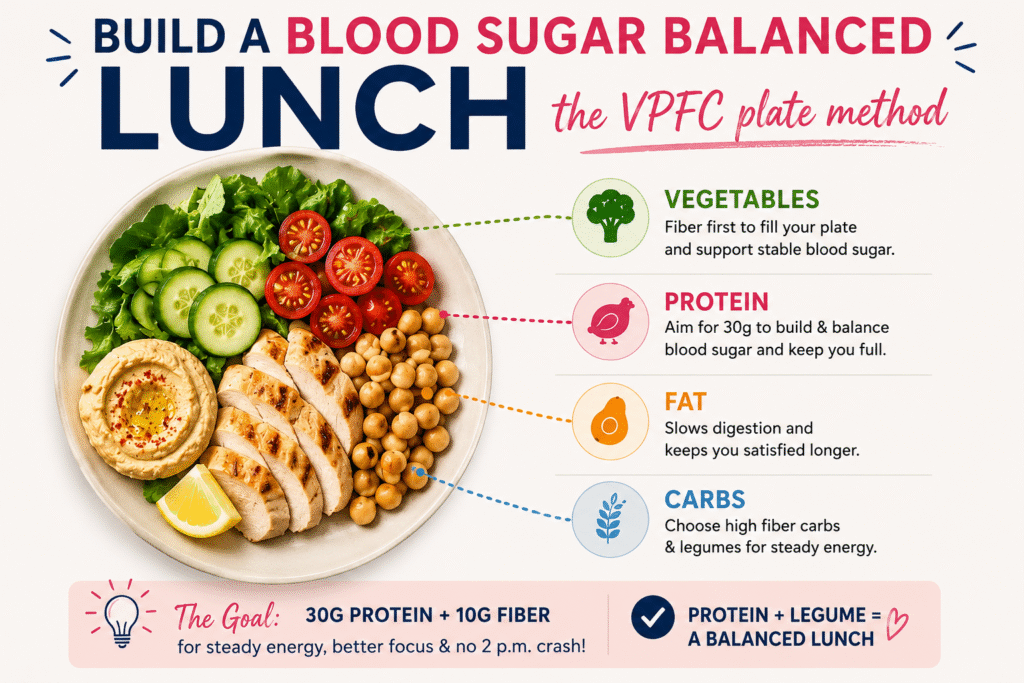
I call it the VPFC Plate: Vegetables, Protein, Fat, Carbs—in that order of priority. Building your lunch using this approach helps slow glucose absorption, increase feelings of fullness, and prevent that mid-afternoon crash. Below, I’ve outlined four lunches that I featured on Good Morning Texas, demonstrating that eating for blood sugar balance can be quick, delicious, and entirely achievable during the week.
Why Protein + Fiber = The Blood Sugar Power Couple
Before we dive into the meal options, let’s understand the mechanism behind blood sugar management: Protein helps slow gastric emptying, which is the rate at which food leaves your stomach, while fiber reduces the glucose spike by slowing carbohydrate absorption in the small intestine. Together, these components serve as effective, food-first strategies for managing blood sugar levels during lunch.
The goal is to aim for 30 grams of protein and 10 grams of fiber in your lunch. By achieving both of these targets, you’ll create a meal that supports your metabolism rather than hinders it.
Quick “Boost” Add-Ins When You Need More Protein or Fiber
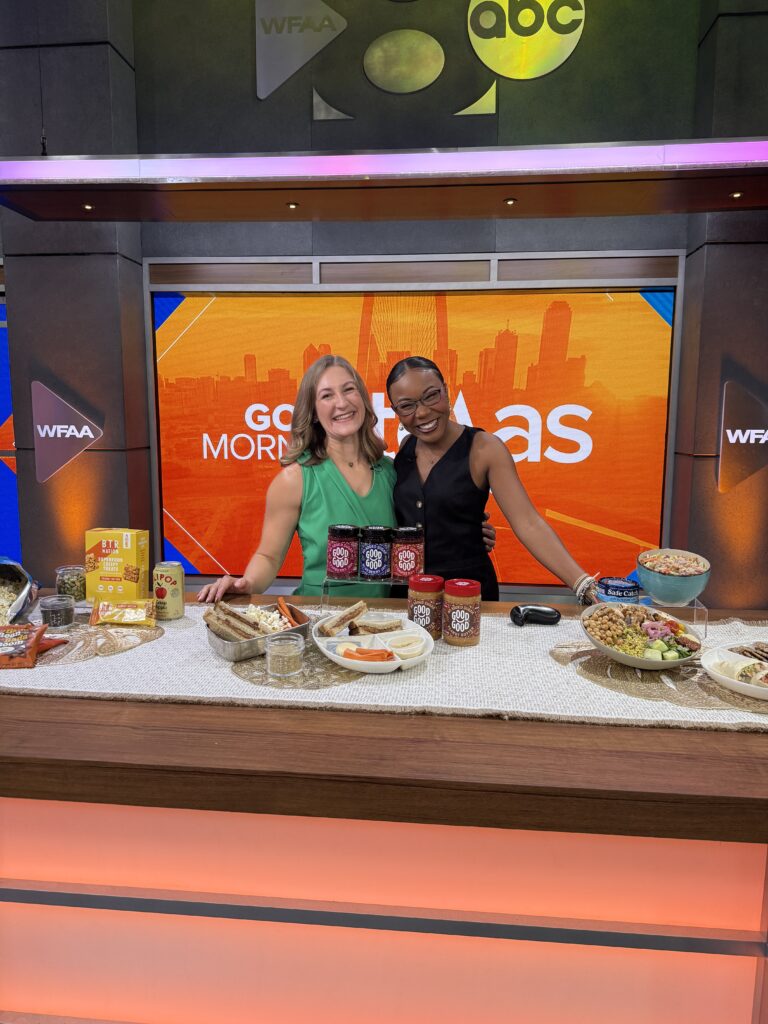
No time to overhaul your meal? Consider adding one of these items to what you’re already eating:
Easy Protein Boosts:
– Cottage cheese
– Egg whites
– Greek yogurt
– Hemp hearts
– Canned tuna or salmon
– A complete protein shake with less than 5g of sugar
Easy Fiber Boosts:
– Chia seeds
– Ground flaxseed
– Basil seeds
– Canned beans
– Edamame
– Avocado
These single-ingredient additions can provide an extra 5-15g of protein or 3-8g of fiber to any meal without altering the flavor or requiring significant preparation time.
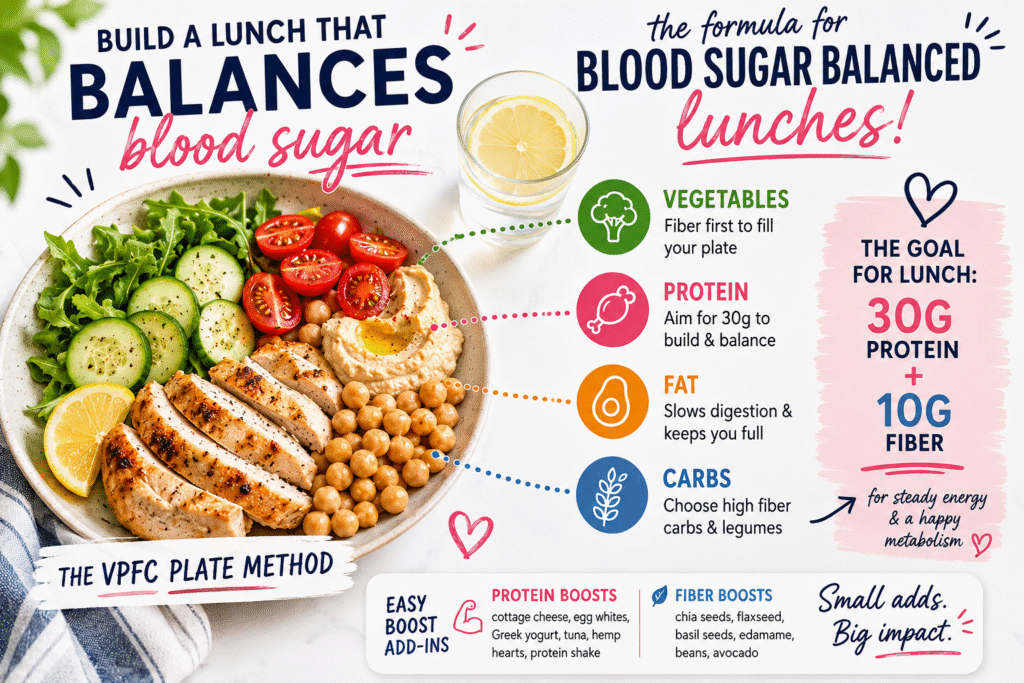
Plate 1: Mediterranean Power Bowl
No cooking required. 5-minute assembly.
Build it:
- 4 oz rotisserie chicken
- ½ cup chickpeas
- ½ cup cucumber + cherry tomatoes
- 2 tbsp hummus
- Drizzle of olive oil + squeeze of lemon
Chickpeas are one of the lowest glycemic legumes available — they deliver both protein and fiber in one ingredient, doing double duty on your glucose curve. The olive oil adds a fat buffer that further slows absorption.
Plate 2: Tuna & White Bean Wrap
Stir and wrap. Done in under 5 minutes.
Build it:
- 1 can tuna in water
- ½ cup cannellini beans
- 1 high-fiber tortilla (Mission Carb Balance or similar)
- ¼ avocado
- Squeeze of lemon, pickles
White beans have a glycemic index of only 31, which is significantly lower than most grains. When combined with pure tuna protein and the healthy fats in avocado, this wrap creates a powerful combination to help stabilize blood sugar levels. Additionally, the high-fiber tortilla contributes another 9 grams of fiber effortlessly.
Plate 3: Southwest Quinoa Bowl
Microwave the grain, assemble the rest.
Build it:
- ½ cup microwavable quinoa (90-second packet)
- ½ cup black beans
- 3 oz rotisserie chicken or ground turkey
- Salsa
- ¼ avocado
- Dollop of plain Greek yogurt (in place of sour cream)
Quinoa is effective for blood sugar management because it is a complete protein and a complex carbohydrate, with a moderate glycemic index of 53. Black beans contribute resistant starch, a type of fiber that gut bacteria ferment, producing short-chain fatty acids that enhance insulin sensitivity over time. Additionally, swapping Greek yogurt for traditional sour cream increases protein content while reducing sugar intake.
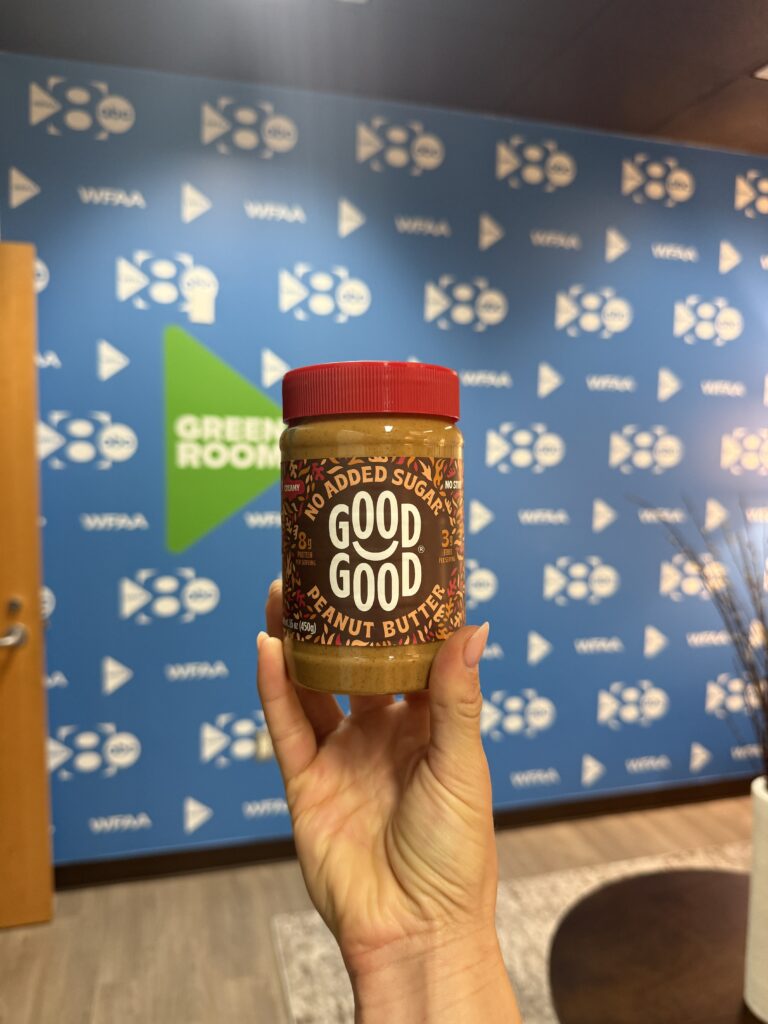
Plate 4: High Fiber PB&J + Snack
The one that surprises people every single time.
Most peanut butter and jelly combinations are a blood sugar disaster — added sugar in the jelly, hidden sugars in the peanut butter, white bread with zero fiber. This version flips all of that.
Build it:
- 2 slices Dave’s Killer Bread (21 Whole Grains)
- 2 tbsp GOOD GOOD Creamy Peanut Butter
- 1 tbsp chia seeds or ground flax stirred into the peanut butter
- 1.5 tbsp GOOD GOOD Strawberry Jam or Grape Jelly
- 1 oz cheddar or string cheese on the side
+ Choose your snack:
- 3 cups air-popped popcorn (more volume, great satiety)
- OR 1 cup blueberries (better for blood sugar — anthocyanins improve insulin sensitivity)
Why it works for blood sugar: Here’s what makes this version different. GOOD GOOD‘s jams and jellies offer the delicious flavors you love—like Strawberry, Grape, Raspberry, and more—without any added sugar. This means they are low glycemic and perfect for blood sugar-conscious eating.
GOOD GOOD Creamy Peanut Butter is made from real roasted peanuts and RSPO-certified palm oil, resulting in a smooth, no-stir texture. It contains no hidden sugars and no unnecessary additives. In addition, each serving provides 8 grams of protein and 3 grams of prebiotic fiber, actively supporting your health goals rather than just being an accompaniment.
For an added boost, you can stir chia seeds or ground flax directly into the peanut butter, which adds an extra 4-5 grams of soluble fiber to help minimize your post-meal glucose rise—without altering the taste at all.
Pro tip: Stir the chia or ground flax directly into the peanut butter before spreading. It disappears completely — your kids won’t know, and neither will you.
Find GOOD GOOD at HEB, Kroger, Whole Foods, Sprouts, and online at GOODGOODbrand.com.
The Pattern to Remember
You don’t need to memorize multiple dishes; just remember one simple rule:
Protein + legume = a balanced lunch that keeps your blood sugar stable.
For example, you can pair rotisserie chicken, canned tuna, or ground turkey with chickpeas, white beans, or black beans. This combination will help you meet your protein and fiber goals almost every time—without needing a recipe, extensive meal prep, or spending 45 minutes in the kitchen.
Establish this habit, and your 2 p.m. self will be grateful!
Free Resource: The A1C Drop Guide
If you’re working to improve your blood sugar or A1C, I have free tools on my website built specifically for this. The A1C Drop Guide walks you through the food-first strategies I use with my 1:1 clients — no prescription required.
👉 Grab the free A1C Drop Guide
Ready to Work Together?
If you’re ready to stop guessing and start eating in a way that actually supports your blood sugar, metabolism, and energy — I work with clients 1:1 virtually across the country.
Whitney Stuart, MS, RDN/LD, CDCES is a registered dietitian nutritionist and certified diabetes care and education specialist based in Dallas, TX. She specializes in blood sugar management, metabolic health, and women’s nutrition at Whitness Nutrition.