11 Key Benefits of Chia Seeds That Make Them a Superfood
A Dallas Dietitian’s evidence-based take on chia seeds and the fiber, blood sugar, and gut health hype, without the food rules.
If you haven’t heard all about the benefits of chia seeds, this blog post is for you! Despite their small size, these tiny seeds may appear unassuming at first glance. Chia seeds are rich in fibre, which aids digestion and keeps you feeling full and satisfied. Additionally, chia seeds support heart health and reduce inflammation due to their omega-3 fatty acid content. Needless to say, they’re a superfood! Continue reading to discover the health benefits of chia seeds.
Now, if you’re like me, when you first saw a chia seed pudding, you might have thought, “ew! That looks disgusting!” I get it; it’s a weird texture, and if you don’t like tapioca pudding, you might do better trying a blended version. However, there are many reasons to add these easy, superfood snacks into your diet! Read on to learn why it’s so vital for health benefits.
Spoiler alert: Seeds are a powerful health tool, and Americans honestly don’t eat many seeds at all. It’s not surprising that, as a nation, we are among the least healthy, while other countries, such as Japan, Spain, and Italy, consistently rank among the healthiest. Why? They have a heavy plant-based diet with a lot of variety and engage in physical activity, paired with more outdoor time.
The Benefits of Chia Seeds and 11 Reasons Why You Should Eat This Superfood
Eleven Reasons Why You Should Eat More Chia Seeds
Beneficial for blood sugar levels
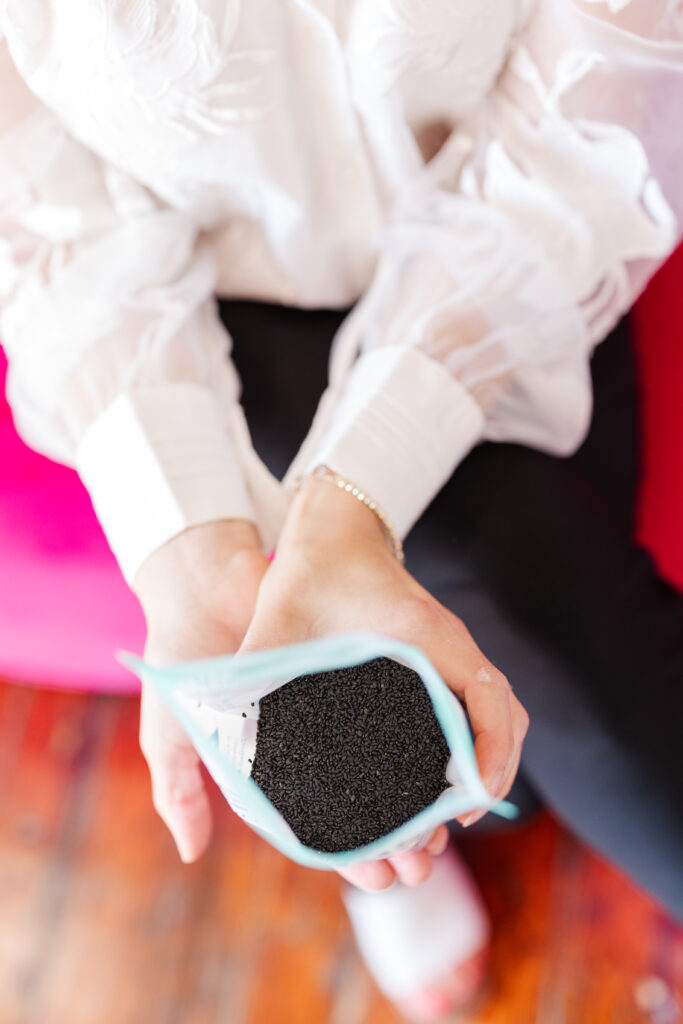
Chia seeds, also known as salvia hispanica, are a powerful tool for blood sugar levels, cholesterol levels, and are as an omega-3 fatty acid in chia; an easy source of alpha linolenic acid (ALA). Simply soak chia seeds in any liquid overnight (I prefer almond milk or full-fat coconut milk) to create a gel-like substance, which can be added to cereal, yogurt, or smoothies, or consumed by the spoonful like tapioca pudding.
Supports healthy blood pressure
A new study in March 2025 found that chia seed intake significantly reduced both systolic and diastolic blood pressure!
Helps you feel full (aka: fewer “snack spirals”)
Chia expands when exposed to liquid and slows digestion. Combine that with fiber + fat, and you’ve got a satiety combo that helps keep hunger calmer between meals. Not because you’re “being good,” but because your body is actually getting what it needs.
Supports gut health and regularity
Chia contains both insoluble and soluble fiber. Insoluble fiber helps move things along; soluble fiber feeds gut bacteria and supports stool consistency. If your digestion is slow, inconsistent, or dramatic, this can be a gentle daily support (start small!).
May help improve cholesterol markers
Fiber (especially soluble types) can support healthier LDL cholesterol levels over time. Pair chia with other fiber-forward foods, beans, berries, and veggies, and you’ve got a real strategy to reduce the risk of long-term cardiovascular issues.
Provides omega‑3s
The main omega‑3 acid in chia seeds is alpha‑linolenic acid (ALA). ALA is a plant omega‑3 that supports heart health and inflammation balance. (Still love salmon? Same. Different tools, same toolbox.)
Adds an easy ‘energy upgrade’ to breakfast
If breakfast is usually toast, waffles, or whatever your kid didn’t finish, adding chia seeds is a simple way to add more fiber and fat to the party without turning breakfast into a science project.
Supports hydration (with a caveat)
Because they absorb liquid and form a gel, chia can help hold onto fluid in the gut. Just don’t eat a spoonful dry and chase it with water. That’s how you end up in a viral cautionary tale.
Nutrient density for bone + muscle support
Chia seeds provide minerals such as calcium, magnesium, and phosphorus, which are key to bone health and muscle function. No, it doesn’t replace dairy or supplements if you’re deficient, but it’s a helpful ‘plus one’ in a balanced diet.
Antioxidants and plant compounds
Chia seeds contain antioxidants and polyphenols that help protect their fats from oxidation. In real-life terms, more plant variety usually means more protective compounds, and I’m always here for a low-effort way to add diversity.
Plant protein + essential amino acids
Chia isn’t a high-protein food, but it does contain protein and essential amino acids. Think of it as a supporting actor, not the main character. Pair it with Greek yogurt, cottage cheese, or protein powder for a higher-protein snack or breakfast.
Want to nerd out on the blood pressure research? Here’s the March 2025 meta-analysis mentioned above: PubMed: chia seeds & blood pressure (2025).
The effectiveness of chia seeds: what they can (and can’t) do
Let’s keep this grounded. The effectiveness of chia seeds is strongest when you use them as part of a bigger pattern: more fiber, more plant diversity, more balanced meals, and fewer ‘naked carbs’ that spike blood sugar.
Chia seeds won’t make up for a week of chaotic meals, stress, and sleep deprivation. (If they could, I’d buy them by the pallet.) But they can support satiety, digestion, and blood sugar steadiness, especially if you’re consistent.
How to eat chia seeds (without hating your life)
When consuming chia seeds, start with 1 teaspoon per day and work up slowly, especially if your current fiber intake is low. Your gut needs time to adapt.
My favorite low-effort ways to use chia:
- Stir into Greek yogurt or cottage cheese (add berries and cinnamon for a blood-sugar-friendly combo).
- Add to smoothies (it thickens naturally, almost like a built-in smoothie stabilizer).
- Mix into overnight oats (or ‘overnight anything’ in a jar).
- Use chia seeds mixed with water as an egg substitute in baking (chia + water = gel).
Chia seeds side effects (and how to avoid them)
Most people tolerate chia seeds well, but side effects can happen—especially if you go from 8 grams of fiber per day to 30 overnight. Common issues include gas, bloating, constipation, or diarrhea.
How to keep it comfortable:
- Increase slowly (start with 1 teaspoon).
- Hydrate, fiber works best with fluid.
- Soak chia seeds before eating when possible (in pudding, oats, yogurt, or smoothies).
- If you have trouble swallowing or a history of esophageal issues, skip dry chia and talk with your healthcare provider first.
- If you’re on blood thinners or blood pressure meds, check with your provider before making big changes. Chia has fiber and ALA fats that can influence cardiometabolic markers.
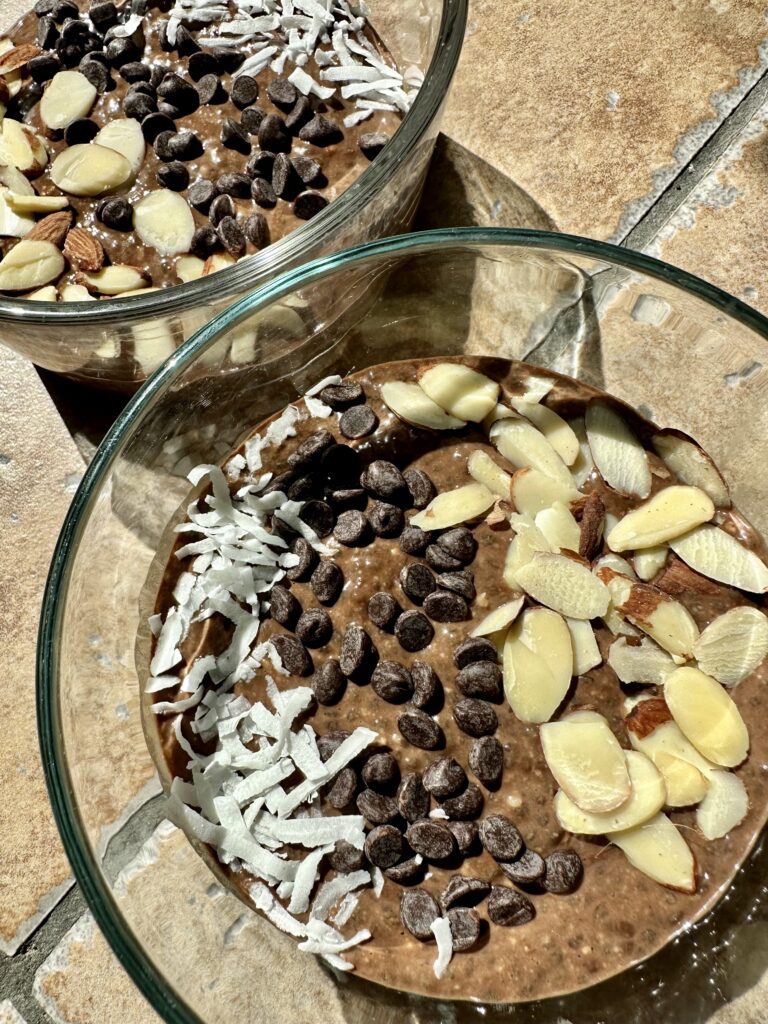
High-Protein Chia Seed Pudding (less sugar, more satisfaction)
This recipe is my updated version for 2026: still easy, still meal-prep-friendly, and higher in protein, so you won’t be hungry again 37 minutes later.
Serves: 2
Ingredients:
- 4 tablespoons chia seeds
- 1 cup unsweetened milk of choice (almond, soy, or coconut milk all work)
- 1/2 teaspoon vanilla extract
- Pinch of salt
- 1 scoop protein powder OR 3/4 cup plain Greek yogurt (mix in after it sets)
- Optional: 1–2 teaspoons maple syrup or honey (or skip if you prefer it less sweet)
- Toppings: berries, nuts, unsweetened coconut flakes, cacao nibs, or a drizzle of nut butter
Directions:
- In a bowl or jar, whisk together chia seeds, milk, vanilla, and salt (and a sweetener, if using).
- Let sit 5 minutes, then whisk again to break up clumps (this is the difference between pudding and ‘chia cement’).
- Cover and refrigerate at least 2 hours (overnight is best).
- Stir in protein powder (or Greek yogurt) before serving.
- Top with berries + nuts for extra fiber and healthy fats.
Want a personalized plan for blood sugar, energy, and gut health?
If you’re tired of Googling your symptoms at 11 pm and want a plan that actually fits your life, you can work with me virtually at Whitness Nutrition. Explore nutrition programs
Or book a quick discovery call, and we’ll figure out the best next step together!


Chia seeds, a nutritional powerhouse, offer compelling reasons for inclusion in your diet. Packed with omega-3 fatty acids, fiber, and protein, they support heart health, aid digestion, and promote a feeling of fullness. Their versatility allows easy incorporation into various dishes, making them an accessible and nutrient-dense superfood that enhances overall well-being, energy levels, and weight management.
Hello
I was googling for content about the Benefits Of Chia Seeds When I came across your excellent resource page.
I just wanted to say that your page helped me, I would have found an excellent resource.
Here it is in case you’d like to check it out https://www.elnodiacademy.com/benefits-of-chia-seeds/
Also, my guide might make a nice addition to your page.
Either way, thanks for putting together your list of resources. Have a great day.