What Oat Milk Does to Your Blood Sugar (And Why It Matters for Weight Loss)
Is Oat Milk Good for Weight Loss?
If you’re on a mission to feel your best and shed a few pounds, you may be reevaluating your milk choices. You’re not alone in this; with the wide variety of milk options available today, it’s easy to feel overwhelmed. From cow’s milk to soy milk, coconut milk to almond milk, each type has its own advantages and disadvantages.
Traditionally, milk has been considered an important part of a balanced diet. It provides essential vitamins and minerals such as calcium, vitamin D, and protein, which support everything from bone health to muscle recovery. However, when it comes to weight management, not all types of milk offer the same benefits. This is where oat milk shines.
In this post, we will explore the question: Is oat milk good for weight loss? We will examine what oat milk is, how it is made, its nutritional benefits, and how it compares in the quest for weight loss. If you’re aiming to support your weight loss goals and are curious about whether oat milk should be a staple in your fridge, this post is for you.
What Is Oat Milk
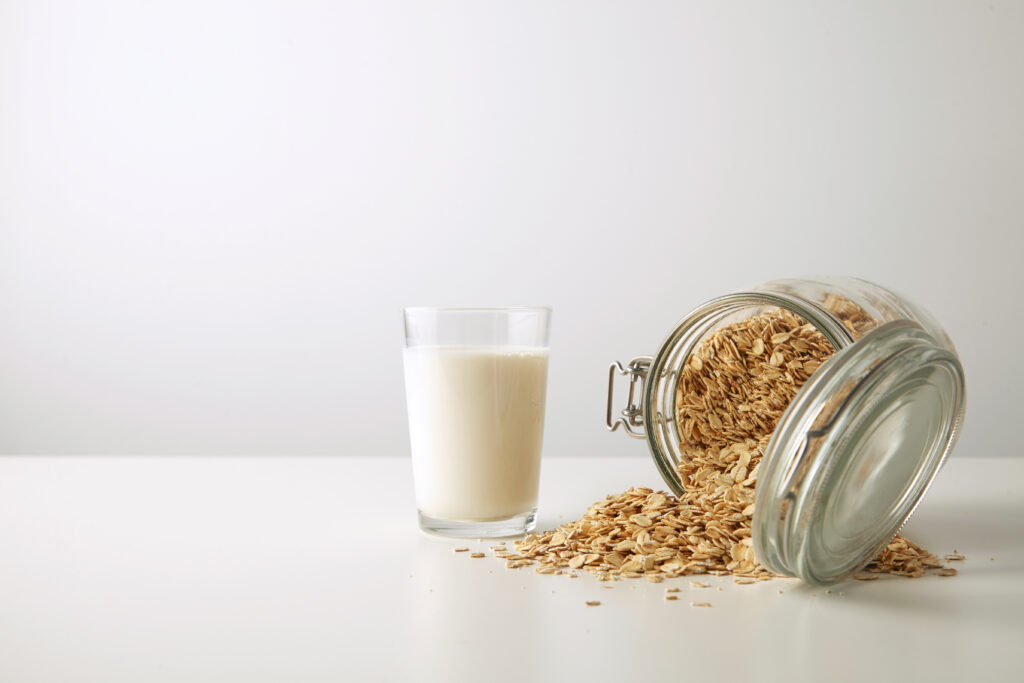
Oat milk is a plant-based alternative to dairy milk. It is made by blending oats with water and then straining the mixture to remove the solids. The result is a creamy, slightly sweet beverage that has become a popular choice in coffee shops and kitchens everywhere.
Most oat milk products on the market are fortified with vitamins and minerals, including calcium, vitamin D, vitamin B12, and riboflavin. Additionally, many brands offer gluten-free versions for those with gluten intolerance, just be sure to check the label.
Does Oat Milk Help With Weight Loss
If you’re trying to lose weight, it’s essential to evaluate all your food and drink choices, including milk alternatives. Oat milk has gained popularity as a go-to non-dairy option, but is it really the best choice for weight loss? In this post, we will delve into the potential drawbacks of oat milk in the context of weight management.
How Oat Milk Might Hinder Weight Loss
While oat milk has many benefits, there are several factors that can interfere with weight loss goals. Here’s what you should consider:
1. Higher Caloric Content
Oat milk, especially sweetened varieties, can be relatively high in calories compared to other plant-based milks like almond milk or unsweetened soy milk. A typical cup of sweetened oat milk can contain 130–160 calories or more, which could add unnecessary calories to your daily intake. If you’re not mindful of portion sizes or how you incorporate it into your meals, it could significantly impact your overall calorie count.
2. Added Sugars
Many commercial oat milk products contain added sugars, which can further increase calorie content and lead to blood sugar spikes. These spikes can result in increased hunger later on, making it more challenging to stick to your weight loss goals. Always be sure to check the labels for added sugars and choose the unsweetened versions whenever possible.
3. Limited Protein
Compared to dairy milk and some other plant-based alternatives, oat milk generally contains less protein. A cup of oat milk typically contains just 2–4 grams of protein, which may not be sufficient to promote satiety or keep you feeling full for longer. This could lead to snacking or consuming extra calories throughout the day.
4. Impact on Blood Sugar Levels
While the soluble fiber in oat milk, particularly beta-glucan can help stabilize blood sugar levels, its overall carbohydrate load can still lead to rapid increases in glucose, especially for individuals who are insulin resistant or carb-sensitive. If not balanced with protein or fat, these blood sugar spikes may trigger increased hunger and a tendency to overeat shortly after. Oat milk has a glycemic index (GI) of approximately 69, placing it in the high range—comparable to white bread—which means it can act more like a processed carb than a stabilizing beverage.
5. Not a Nutritional Powerhouse
Oat milk is often fortified with vitamins and minerals, but it lacks some of the nutrients found in cow’s milk, such as higher levels of protein and calcium in their natural form. While oat milk may be suitable for those who are lactose intolerant or vegan, it may not provide the full spectrum of nutrition required to support an effective weight loss plan.
How Many Calories In Oat Milk
A typical 1-cup serving (240ml) of unsweetened oat milk contains: – Calories: 90–120 – Carbs: 16–20g – Fat: 1–5g – Protein: 2–4g – Fiber: 1–2g
Sweetened or flavored versions can jump to 130–160+ calories per cup, depending on added sugar content. So again: read your labels. Choosing the unsweetened Oat Milk gives you more control over your overall calorie intake.
When (and How) to Use Oat Milk
We’re not here to demonize oat milk. But if weight loss is your priority, use it intentionally not as a “health halo” product.
- Stick to ½–1 cup daily, and only as a creamer or smoothie base paired with protein and fat.
- Choose unsweetened varieties with minimal ingredients (preferably no oils).
- Don’t treat it like a meal, it’s not a substitute for protein-rich foods.
- Avoid sipping it on its own or using it multiple times per day.

Better Alternatives for Weight Loss
If you need milk alternatives, here’s what I typically recommend:
- Cow’s milk (if tolerated): High in protein and naturally nutrient-dense.
- Unsweetened soy milk: Closest in protein to dairy.
- Almond milk (unsweetened): Very low in calories, good for coffee or smoothies just add protein elsewhere.
Final Thought: Is Oat Milk Good for Weight Loss?
No, not if you’re serious about results. It’s not the worst option out there, but it’s far from the best. Oat milk can be part of your routine if you’re mindful about quantity and quality but if you’re relying on it daily without balancing your macros, you’re likely working against your goals.
Choose options that support blood sugar balance, offer protein, and deliver more nutritional value per calorie. Don’t let the marketing hype make your weight loss journey harder than it needs to be.
If you’re interested in understanding how oat milk compares to other options regarding blood sugar levels, check out this post on milk and blood sugar.
Want to dive deeper into which types of milk align best with your health goals? Reach out to book an appointment with Whitness Nutrition!