6 Low Sodium Snack Recipes: Easy, Flavor-Packed Ideas by a Dietitian
Low sodium snack recipes you can make at home. Try 6 easy, flavor-packed ideas under 140 mg sodium per serving, plus label tips that actually help.
Snacking can be a lifesaver for energy, focus, and mood as you transition from one meal to the next. I am a Dallas Dietitian and diabetes educator, and I am pro-snack. The catch is that many grab-and-go options are high in sodium, even the ones that look “healthy.”
If you follow a low-sodium diet for blood pressure, heart disease, kidney disease, or just because you feel better with less salt, you may be ready for new low-sodium snack recipes beyond your usual rotation. This is especially true if your week includes processed, fast, and restaurant foods, which can crank up sodium content without you ever touching the salt shaker.
So today I am sharing a roundup of low-sodium snack recipes you can make at home. They are simple, satisfying, and realistic for real life.
6 Low Sodium Snack Recipes
Before we jump into the recipes, let’s cover what “low sodium” really means, plus a quick way to choose snacks that fit your goals using food labels.
How Much Sodium Is Too Much In A Snack
The general recommendation for teens and adults is to stay under 2,300 milligrams of sodium per day. Americans consume more than that on average, and most of it comes from packaged and prepared foods, not table salt from a salt shaker.
For snacks, this is the framework I use most often:
- Low sodium snack: 140 mg or less per serving
- Middle range: 140 to 300 mg per serving
- High in sodium snack: 300 mg or more per serving
That 140 mg target matters because it is also the FDA definition for a “low sodium” label claim. “Reduced sodium” is different. It simply means at least 25% less sodium than the regular version, so it can still be salty.
And yes, a small amount of sodium adds up quickly. One “okay” snack is rarely the issue. A pattern of salty snacks and restaurant foods usually exists.
Sneaky sources I see all the time: salad dressings, soy sauce, deli meats and jerky (often higher because of curing), canned soups, seasoning packets, and snacks with monosodium glutamate (MSG).
What Snacks Are Low in Sodium
Below are six low-sodium snack recipes. Sodium is estimated per serving and will vary by brand and portion size.
 Recipe 1: No-Salt Crunch Trail Mix
Estimated sodium per serving: 10 to 30 mg
Why I like it: This is how you use dried fruit without the “mystery salt” that shows up in packaged mixes. The key is starting with unsalted nuts.
Ingredients
- 1/2 cup unsalted nuts
- 2 Tbsp pumpkin seeds (unsalted)
- 2 Tbsp dried fruit
- 1 Tbsp cacao nibs or dark chocolate chips
Instructions
- Step 1: Add everything to a jar.
- Step 2: Shake well.
- Step 3: Portion into 1/4 cup servings.
Recipe 2: Greek Yogurt “Ranch” Dip + Crunchy Veggies
Estimated sodium per serving: 60 to 120 mg
Why I like it: Many packaged dips and salad dressings are salty. This tastes like ranch but keeps sodium low and adds protein.
Ingredients
- 1/2 cup plain Greek yogurt
- 1 tsp lemon juice
- 1/2 tsp garlic powder
- 1/2 tsp dried dill
- Black pepper
- Veggies for dipping
Instructions
- Step 1: Mix dip ingredients in a bowl.
- Step 2: Taste and adjust lemon, dill, or pepper.
- Step 3: Dip veggies and enjoy.
Recipe 3: Apple Nachos with Nut Butter Drizzle
Estimated sodium per serving: 20 to 80 mg
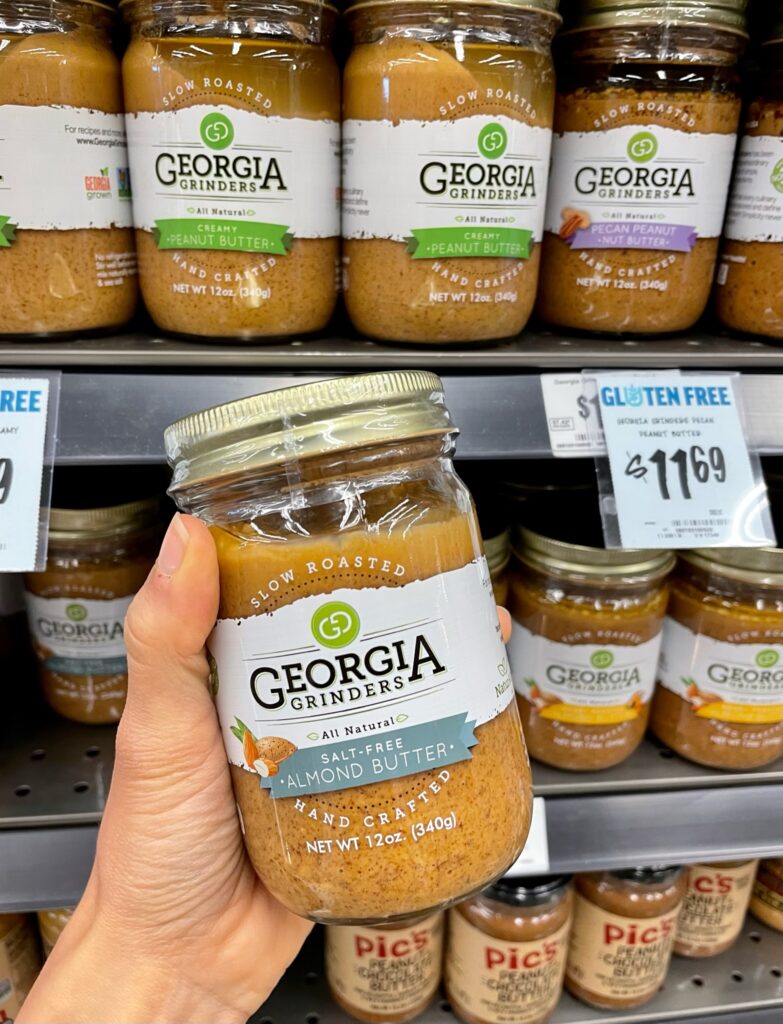
Why I like it: Crunchy, sweet, satisfying. Choose nut butter with no added salt when possible.
Ingredients
- one apple, sliced
- 1 Tbsp peanut butter or almond butter
- 1 Tbsp crushed unsalted nuts
- Cinnamon
- 1 tsp dried fruit (optional)
Instructions
- Step 1: Slice the apple and spread it on a plate.
- Step 2: Warm nut butter for 10 seconds so it drizzles.
- Step 3: Drizzle, sprinkle, and finish with cinnamon.
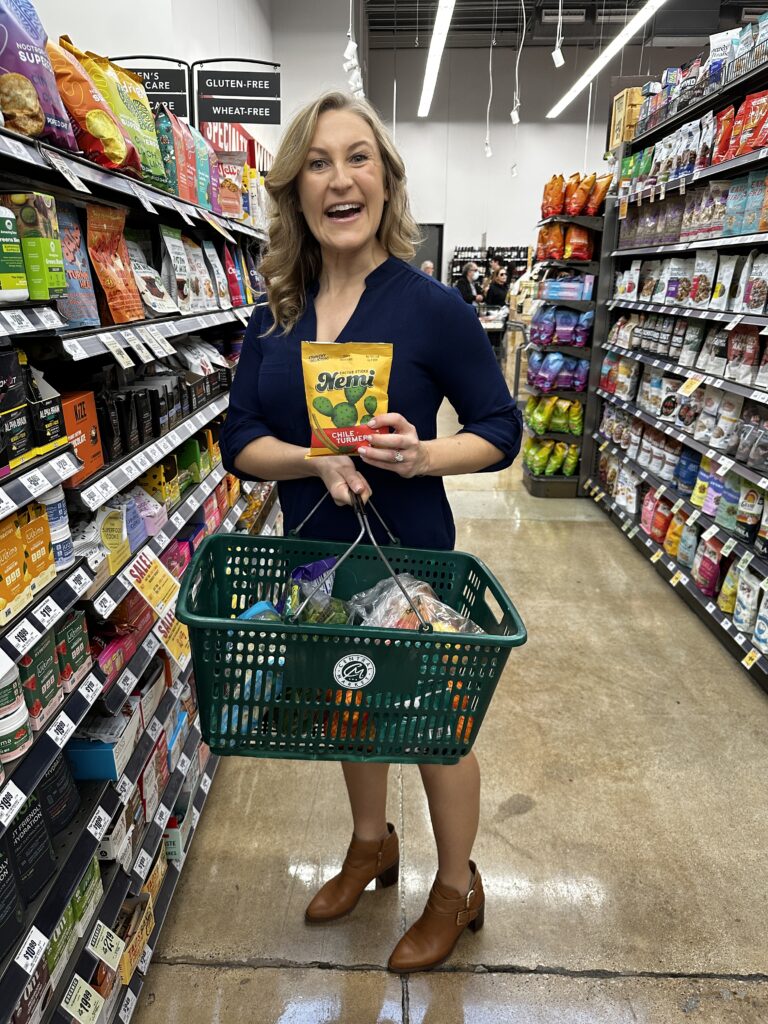
If you DO want a healthier chip, consider one of these options:
- Siete Foods Grain-Free Tortilla Chips
- Beanitos Bean Based Chips
- Barnana Sea Salt Plantain Chips
- Nemi Snacks
Recipe 4: Chocolate Cherry Chia Pudding Cup
Estimated sodium per serving: 40 to 90 mg
Why I like it: High fiber, low glycemic, and it feels like a dessert. For more blood-sugar-friendly packaged picks, use this guide.
Ingredients
- 2 Tbsp chia seeds
- 1/2 cup unsweetened milk
- 1 tsp cocoa powder
- 1/4 cup cherries or berries
- 1 tsp maple syrup (optional)
Instructions
- Step 1: Whisk chia, milk, and cocoa in a jar.
- Step 2: Chill 20 minutes, stir again, then chill 2 hours.
- Step 3: Top with fruit before eating.
Recipe 5: Roasted Edamame Crunch Bowl
Estimated sodium per serving: 20 to 70 mg
Why I like it: A savory, high-protein snack that is not a meat stick. Many meat sticks are fine, but they are often high in sodium.
Ingredients
- 1 cup frozen shelled edamame, thawed and patted dry
- 1 tsp olive oil
- 1/2 tsp smoked paprika
- 1/2 tsp garlic powder
Instructions
- Step 1: Preheat oven to 425°F.
- Step 2: Toss edamame with oil and spices.
- Step 3: Roast for 18 to 22 minutes, shaking halfway through.
Recipe 6: Quick No-Salt Hummus + Cucumber Coins
Estimated sodium per serving: 60 to 140 mg
Why I like it: Store-bought hummus can be high in sodium. This version uses lemon, garlic, and cumin instead of table salt. If you want an “umami” vibe, skip soy sauce and use extra lemon. If you do use soy sauce, choose reduced-sodium and use only a tiny splash.
Ingredients
- 1 can of no-salt-added chickpeas, rinsed well
- 2 Tbsp tahini
- 2 Tbsp lemon juice
- 1 small garlic clove
- 1/2 tsp cumin
- Water as needed
- Cucumber coins
Instructions
- Step 1: Blend chickpeas, tahini, lemon, garlic, and cumin.
- Step 2: Add water 1 Tbsp at a time until the mixture is creamy.
- Step 3: Serve with cucumber coins.
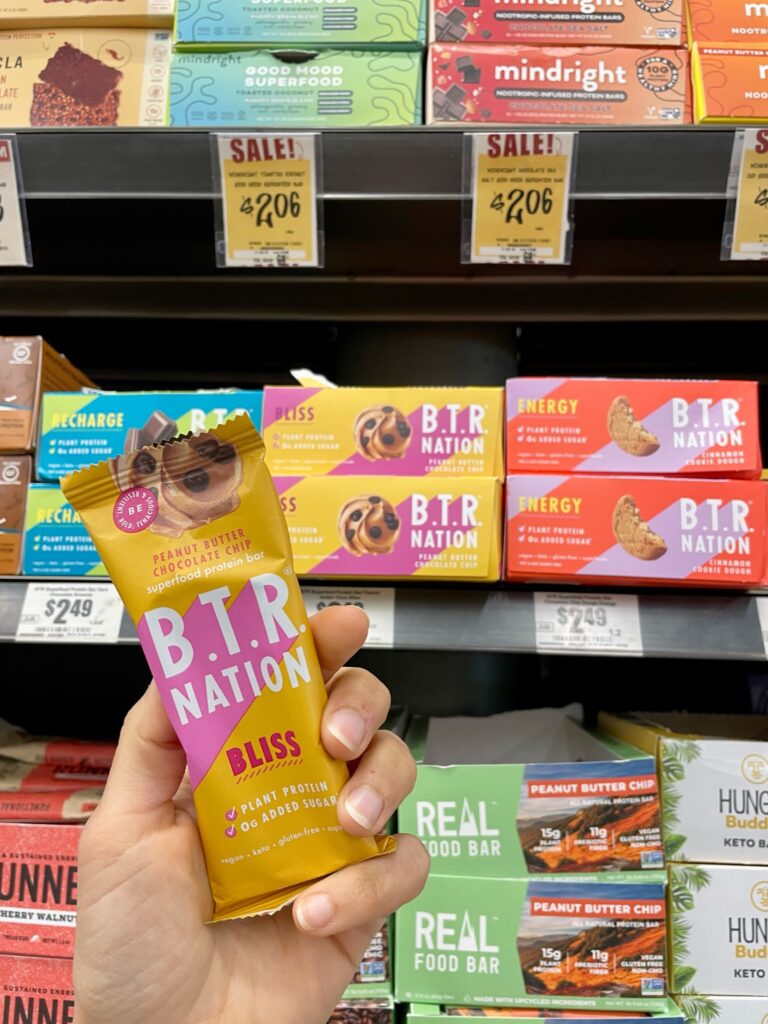
Need grab-and-go bar options too? Here is my full list.
The best protein-rich bars to buy
Bottom line:
Low sodium does not have to mean low flavor. Most sodium comes from processed foods, fast food, and restaurant meals, not from your salt shaker at home. Keep an eye on sodium content on food labels, and you will have more low-sodium options than you think.
Need more help with reading labels and grocery-store confidence? Book a Discovery call and work with me!