
12 Anti-Inflammatory Foods for Skin: A Dietitian Picks
Anti-inflammatory foods for skin can help reduce inflammation and support the skin barrier. Here are 12 dietitian picks plus practical serving tips.
If you have ever stared at your face in the mirror and thought, “Cool, so my skin chose chaos today,” welcome. Skin is often the first place your body sends a memo when stress is high, sleep is low, or hormones are shifting.
Here is the thing. Skin concerns are not a matter of willpower. You do not need a perfect anti-inflammatory diet to feel better. Food is one lever. It works best with consistency, not restriction.
I love snacks and simple routines. They keep energy steady. The same logic works for skin. Here are my favorite anti-inflammatory foods for skin to help reduce inflammation over time.
12 Anti-Inflammatory Foods for Skin
In this post, we will define skin inflammation, list common triggers, and walk through 12 foods that can support calmer skin. You will also learn how to choose an anti-inflammatory diet pattern that supports your immune system and your skin.
What Is Skin Inflammation
Skin inflammation is your body’s protective response. It shows up on the surface. When the skin barrier is irritated, the immune system releases inflammatory signals. That can look like redness, heat, swelling, itching, flaking, breakouts, or stinging.
Sometimes inflammation is short-lived. Think of a reaction to a new product. Other times, it is ongoing. Think eczema, psoriasis, rosacea, or chronic acne. In those cases, food will not replace medical care. But an anti-inflammatory diet can support the skin barrier. It can also support recovery after a flare.
What Causes Skin Inflammation
Skin inflammation is usually multifactorial. Translation, it is rarely just one thing. Common contributors include:
- Barrier disruption from harsh cleansers, over-exfoliation, fragrance, or seasonal dryness
- Allergens or irritants, including detergents and certain skincare ingredients
- Hormonal shifts, including perimenopause, postpartum changes, and PCOS
- Stress and poor sleep
- Sun exposure and environmental pollution
- Smoking and frequent alcohol intake
- High glycemic eating patterns for some people
- Gut issues like constipation or microbiome imbalance
- Nutrient gaps, especially omega-3 fats, vitamin D, zinc, and antioxidants
- Diet patterns high in ultra-processed foods and frequent red meat, especially processed red meat
Two nutrient gaps that show up often are vitamin D and zinc. Both matter for immune system function.
Quick note. You do not have to quit red meat forever. If you enjoy it, focus on quality and portions. Then build the rest of your meals around plants, fiber, and healthy fats.
What Are The Best Anti-Inflammatory Foods For Skin
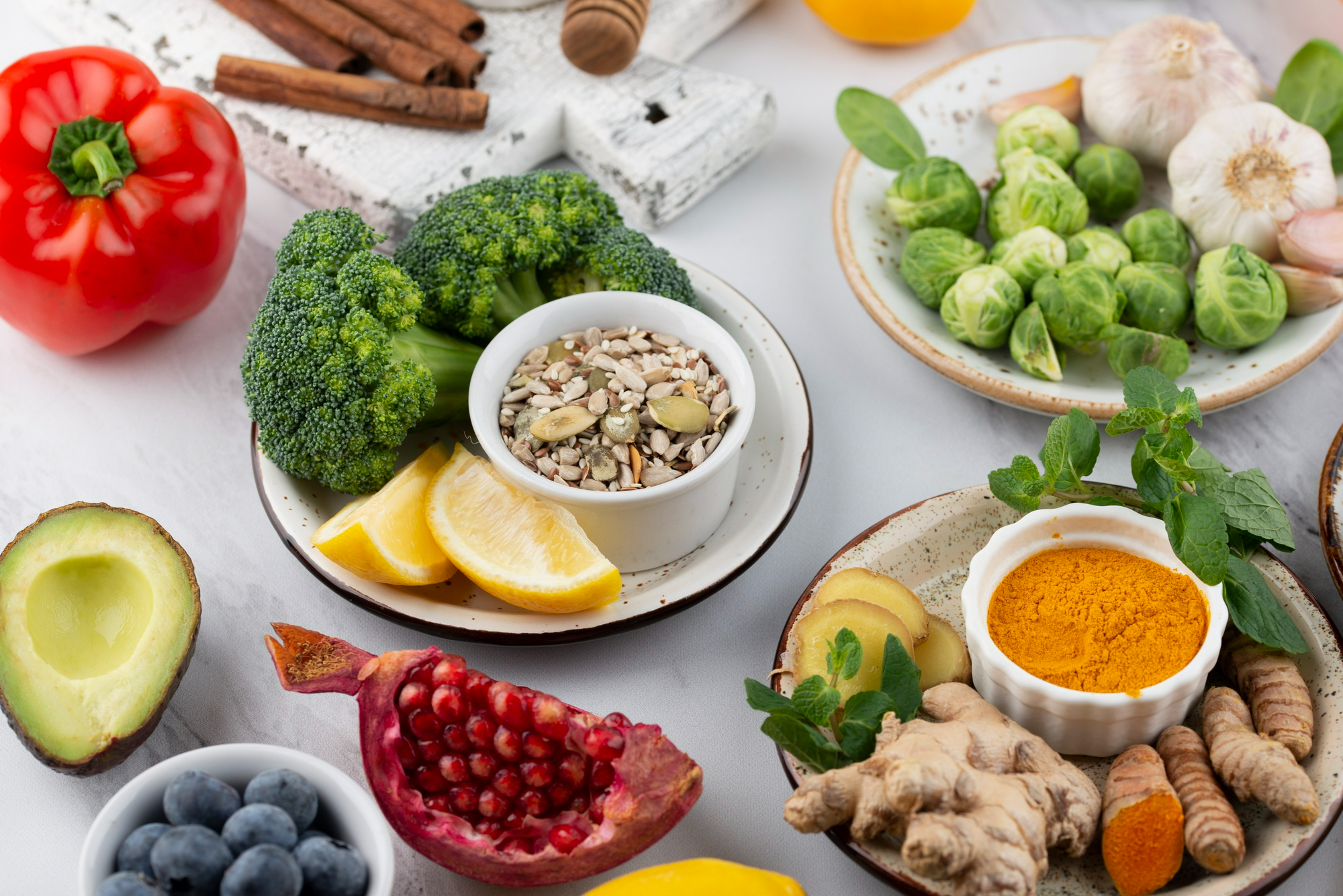
Below are my top 12. The “how much” is a starting point. If you have kidney disease, are pregnant, take blood thinners, or have food allergies, get personal guidance from your clinician.
-
Fatty fish (salmon, sardines, trout)
Why it helps: Fatty fish is rich in omega-3 fats. Omega-3s support the skin barrier. They can help reduce inflammation by influencing inflammatory pathways.
How much: Aim for 2 to 3 servings per week.
Easy ideas: Canned salmon salad or frozen salmon in the air fryer.
-
Extra virgin olive oil
Why it helps: Olive oil supports an anti-inflammatory diet pattern. It is rich in monounsaturated fats and polyphenols.
How much: 1 to 2 tablespoons per day.
Easy ideas: Use it in salad dressings or drizzle it on veggies.
-
Berries (blueberries, strawberries, raspberries)
Why it helps: Berries are antioxidant-dense. Antioxidants help protect skin from oxidative stress that can drive chronic inflammation.
How much: About 1 cup per day, fresh or frozen.
Easy ideas: Add to yogurt or blend into smoothies.
-
Leafy greens (spinach, arugula, kale)
Why it helps: Greens provide folate, vitamin C, and carotenoids. They support immune system regulation and help reduce inflammation.
How much: 1 to 2 cups per day, raw or cooked.
Easy ideas: Toss into eggs or add to soup. No kale trauma required.
-
Avocado
Why it helps: Avocado brings healthy fats plus vitamin E. Vitamin E supports moisture and barrier function.
How much: 1/4 to 1/2 avocado per day.
Easy ideas: Mash on toast or add to bowls.
-
Chia seeds and ground flax
Why it helps: These seeds provide plant omega-3s and fiber. Fiber supports gut health. A healthier gut can support a calmer immune system response.
How much: 1 to 2 tablespoons per day.
Easy ideas: Stir into oatmeal or mix into yogurt.
-
Unsalted nuts (walnuts, almonds, pistachios)
Why it helps: Unsalted nuts provide minerals and antioxidants. Walnuts also add plant omega-3s. Nuts make a wonderful snack because they provide fat, fiber, and protein.
How much: About 1 ounce per day.
Easy ideas: Pair with fruit or dried fruit. Keep it to a small handful.
-
Fermented foods (yogurt, kefir, kimchi)
Why it helps: Fermented foods can support the gut microbiome. The microbiome influences the immune system. That matters for chronic inflammation.
How much: Start small. Try 1/2 cup of yogurt or a few tablespoons of kimchi.
Easy ideas: Yogurt with berries or kefir blended with fruit.
-
Legumes (lentils, chickpeas, beans)
Why it helps: Legumes deliver fiber that supports gut health and steadier blood sugar. Blood sugar swings can be a trigger for some people with acne.
How much: 1/2 to 1 cup cooked, several times per week.
Easy ideas: Lentil soup or chickpea salad.
-
Turmeric with black pepper
Why it helps: Curcumin is a well-studied anti-inflammatory compound. Black pepper can improve its absorption.
How much: Start with 1/2 teaspoon per day in food.
Easy ideas: Add to eggs or sprinkle on roasted veggies.
-
Tomatoes (especially cooked)
Why it helps: Cooked tomatoes concentrate lycopene. Lycopene is an antioxidant linked with skin resilience.
How much: Include them a few times per week.
Easy ideas: Marinara or roasted tomatoes.
-
Green tea
Why it helps: Green tea contains catechins. They support antioxidant defenses and may help calm inflammatory responses.
How much: 1 to 2 cups per day, if caffeine works for you.
Easy ideas: Brew it hot or chill it for iced green tea.
Want more morning-friendly ideas? anti-inflammatory breakfast foods (full link: https://whitnessnutrition.com/20-anti-inflammatory-foods-for-breakfast/).
A Simple Anti-Inflammatory Diet Pattern For Skin
Your goal is not perfection. Your goal is repeatable habits. Start with these three:
- Add color twice a day. Berries count. Greens count.
- Add omega-3s weekly. Fish, chia, flax, and walnuts count.
- Pair carbs with protein or fat. This supports steadier blood sugar.
Try these easy combos:
- Greek yogurt + berries + chia
- Salmon + greens + olive oil-based dressing
- Lentil soup + side salad with olive oil
Hydration helps too. Water supports circulation and barrier function. It will not replace moisturizer. It still matters.
Also, eat enough protein. Skin needs amino acids to build and repair. Under-eating can backfire.
What To Limit (Without Turning Food Into A Villain)
If your goal is to reduce inflammation, focus on patterns. Ultra-processed foods and sugary drinks crowd out nutrients that support the skin barrier. Fried fast food does not help either. Neither does frequent alcohol.
Watch processed meats too. Think bacon, sausage, deli meats, and jerky with lots of additives. These are different from cooking a simple steak at home. If you enjoy red meat, keep it to an occasional treat. Pair it with plants. Choose fish and beans more often.
FAQ: Quick Answers About Anti-Inflammatory Foods For Skin
1. How long does it take to see changes?
Skin is slow. Give it 4 to 8 weeks of consistency.
2. Do I need to cut dairy or gluten?
Not automatically. If you notice a pattern, get support. Do not guess forever.
3. Can supplements replace food?
No. Food gives fiber and thousands of compounds. Supplements are tools, not magic.
4. What if I have acne and insulin resistance?
Focus on protein, fiber, and steady meals. This supports both blood sugar and inflammation.
If you want a personalized anti-inflammatory diet strategy that supports your skin, hormones, and energy, explore working with Whitness Nutrition.
Book your free discovery call here!
Explore Whitness Nutrition programs here!